In the era of Industry 4.0, automated production lines are the beating hearts of modern manufacturing. These complex systems rely on numerous connected devices—from sensors and cameras to barcode scanners and Human-Machine Interfaces (HMIs). At the core of these connections, often overlooked, lies a critical component: the embedded USB Hub. A failure here can mean costly downtime, data loss, or even damage to expensive equipment. So, how do you choose a hub that guarantees 24/7 reliability? Let’s explore the key factors through a real-world scenario.
The Challenge: A Case of “Unreliable Connections”
Imagine a European automotive parts manufacturer, “AutoPart GmbH,” upgrading their assembly line. They integrated 16 high-resolution cameras for quality inspection, all connected to a single industrial PC via a standard, off-the-shelf USB hub.
The result was disastrous:
Frequent disconnections during operation.
Image data corruption, leading to faulty inspections.
Overheating of the hub after just a few hours.
The entire line stopped 3-4 times a week, costing thousands in lost productivity.
The problem wasn’t the cameras or the PC—it was the unreliable hub that couldn’t handle the industrial environment.
The 4 Key Criteria for an Industrial-Grade USB Hub
To avoid AutoPart GmbH’s fate, here are the critical factors you must evaluate when selecting an embedded USB hub:
1. Ruggedized Build for Harsh Environments
Unlike office-grade plastic hubs, industrial environments demand durability.
What to look for: A heavy-duty metal enclosure (like aluminum alloy). This isn’t just for looks; it provides superior heat dissipation, physical protection against vibration and shock, and effective EMI/RFI shielding to prevent signal interference from nearby heavy machinery.
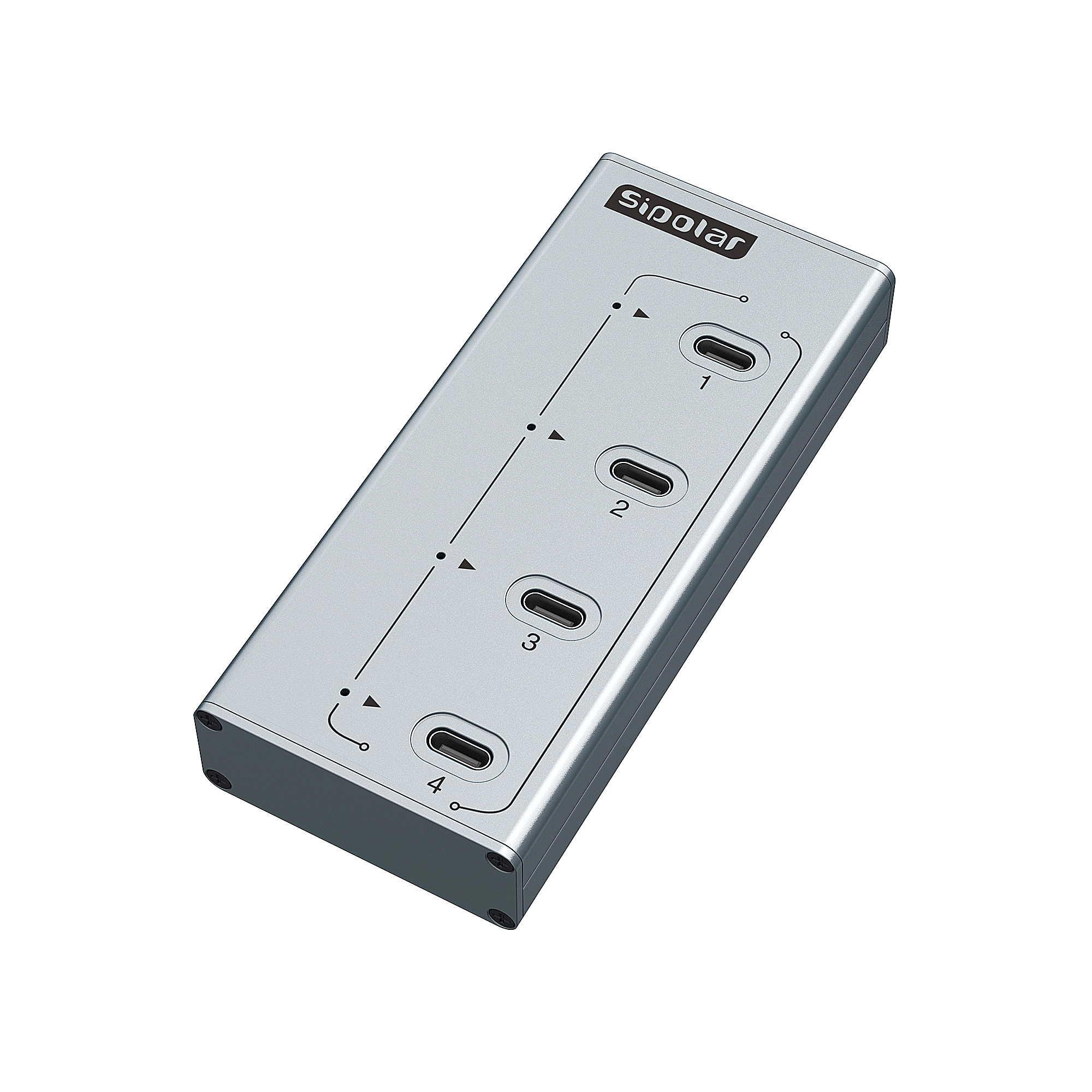
Sipolar Solution: Our industrial hubs feature robust, fanless metal casings designed for reliable operation in temperatures ranging from -20°C to +80°C, ensuring stability even on a crowded, vibrating assembly line.
2. Independent Power Management & Over-Current Protection
Connecting multiple power-hungry devices (like cameras or barcode scanners) can easily overload a bus-powered hub, causing all ports to shut down.
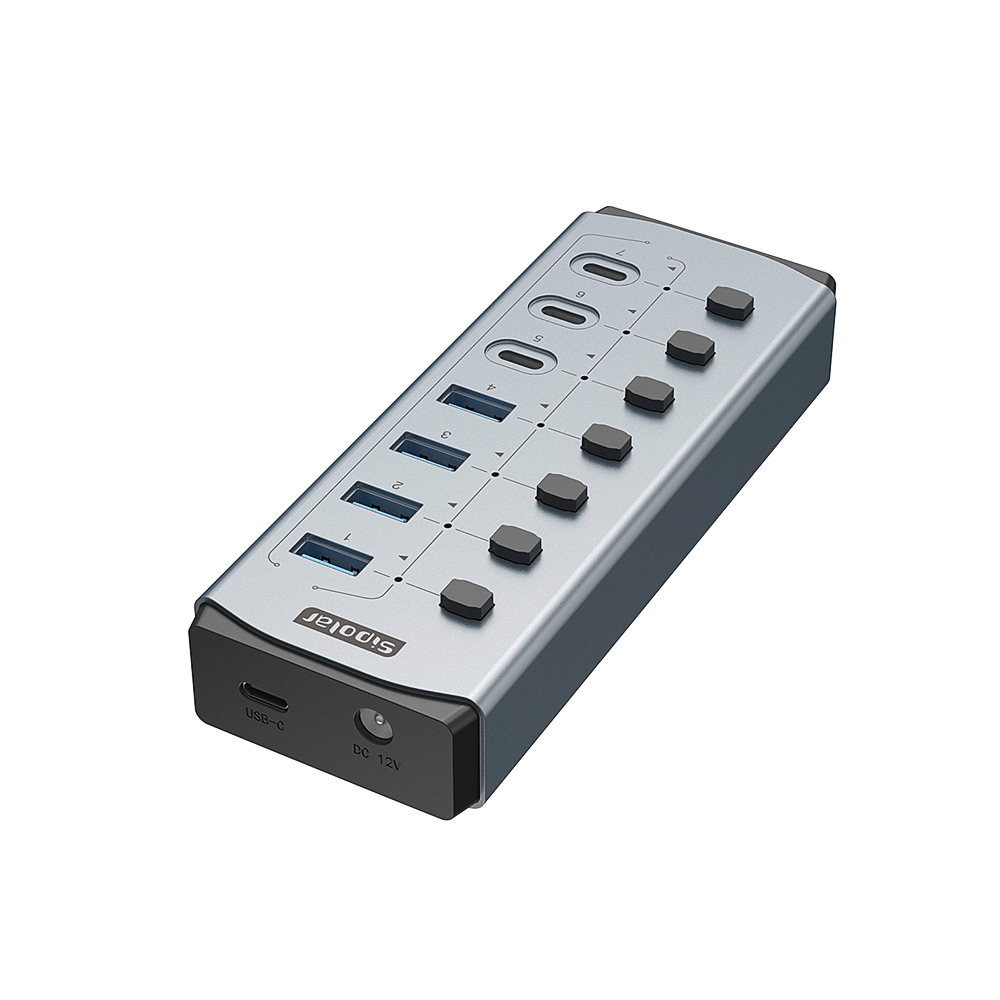
What to look for: A hub with individual port power switches and over-current protection. This means if one device shorts or draws too much power, only that single port is disabled. The rest of your line keeps running.
Sipolar Solution: Our hubs feature independent power regulators for each port. As one of our engineers puts it, “With independent port protection, a faulty sensor won’t bring your entire production line to a halt. It’s about ensuring business continuity at the component level.”
3. High Port Density with Stable Signal Integrity
Industrial applications often require connecting many devices to a single host computer. A standard 4-port hub is rarely enough.
What to look for: High-density solutions (7, 10, 13, or even 16 ports) that are specifically engineered for data transfer, not just charging. The hub must maintain signal integrity across all ports simultaneously without data loss or crosstalk.
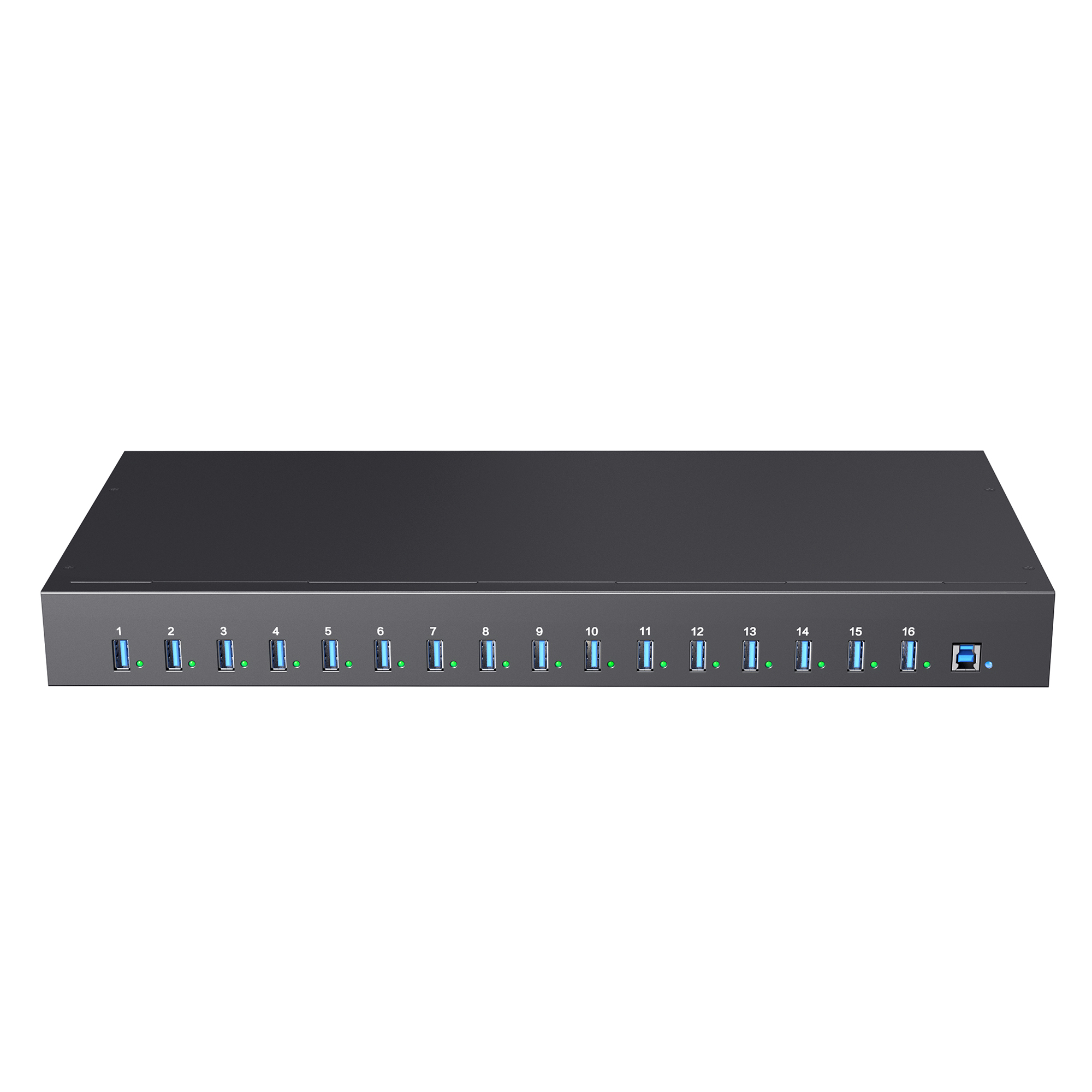
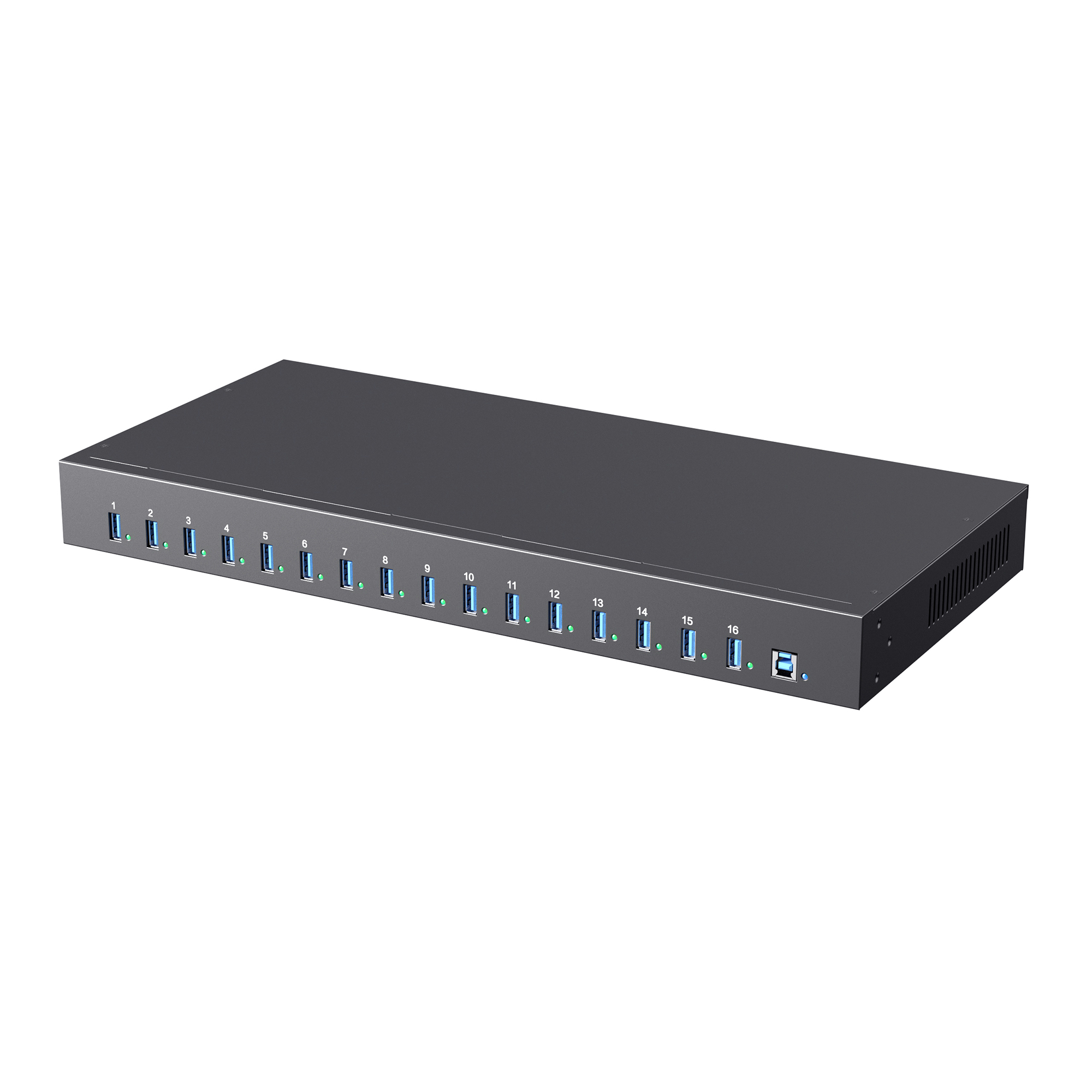
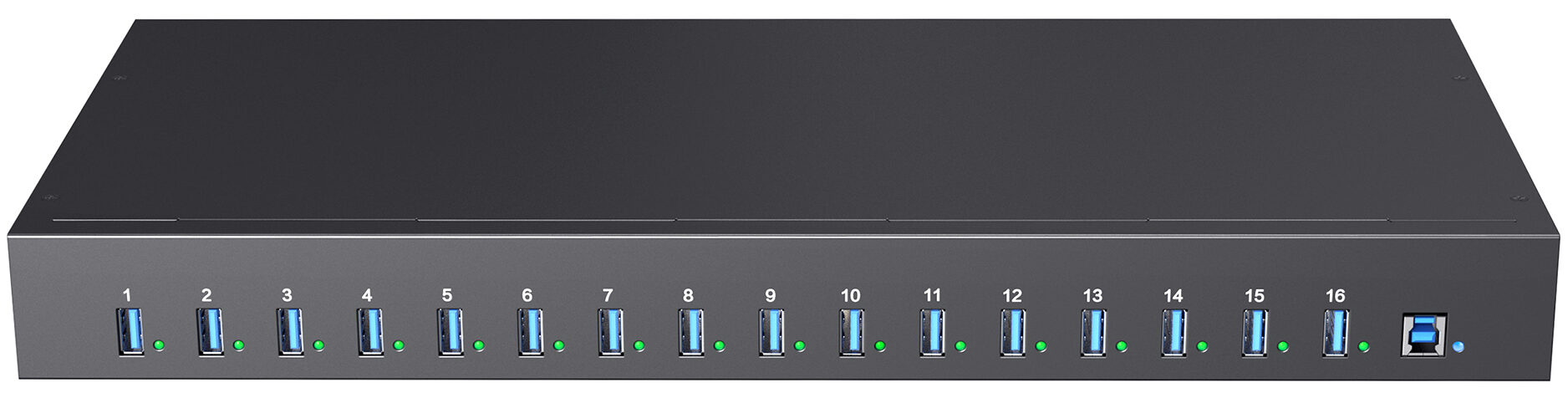
Sipolar Solution: With over 15 years of experience, we offer a wide range of multi-port hubs. Our 16-port industrial hub, for example, is a popular choice for machine vision systems, allowing seamless connection of multiple cameras for 360-degree product inspection.
4. Wide Power Input & Industrial Connectivity
Your production line’s power environment can be unstable. A reliable hub must adapt.
What to look for: Support for a wide range of DC power inputs (e.g., 12V~48V) to match your existing industrial power supplies. Secure terminal block connectors are also preferable to standard barrel jacks, as they won’t vibrate loose.
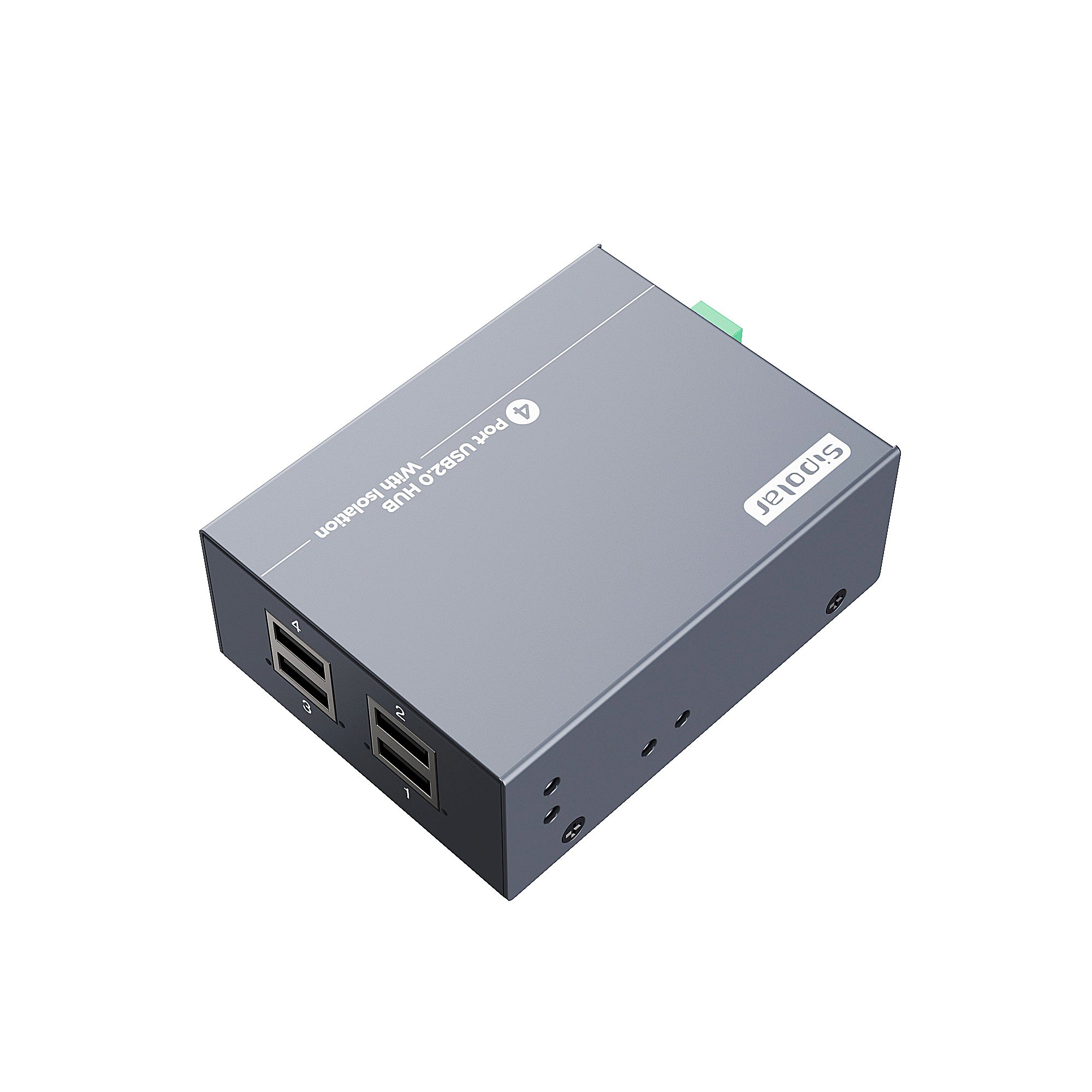
Sipolar Solution: Our embedded hubs are designed with industrial applications in mind, featuring wide-voltage input and optional screw-type terminal blocks for the most secure connections in high-vibration settings.
The Solution: How Sipolar Solved AutoPart GmbH’s Problem
Returning to our case study: AutoPart GmbH replaced their consumer-grade hub with a Sipolar 16-port industrial USB hub. The result?
Zero downtime related to USB connections in the following six months.
Stable, high-speed data transfer from all 16 inspection cameras.
Reliable performance even in the warm environment of the assembly line, thanks to the metal casing’s heat dissipation.
Simplified maintenance. As their IT manager noted, “We finally have a ‘set it and forget it’ solution. The build quality is immediately apparent, and knowing each port is protected gives us real peace of mind.”
Conclusion: Don’t Let Your Hub Be the Weak Link
In an automated production line, every component must be chosen for reliability. Your USB hub is the silent backbone connecting your critical peripherals. Choosing a cheap, non-industrial solution is a false economy that risks expensive failures.
For a reliable, high-performance connection that keeps your production line moving, trust the experts. Sipolar’s industrial USB hubs are engineered for the rigors of the factory floor.
Ready to upgrade your connectivity?
👉 Contact our engineering team today for a free consultation on your specific application. (https://www.sipolar.com/contact-us/)